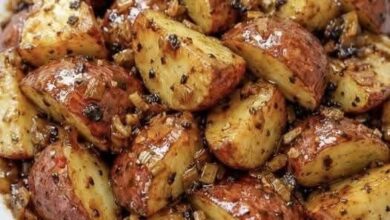
Few dishes capture the warmth of home cooking quite like fried potatoes and onions. Whether you grew up with them sizzling in a cast-iron skillet on a Sunday morning, or you’re discovering their golden, crispy magic for the first time, this humble combination proves that comfort food doesn’t have to be complicated. With just a handful of ingredients and a little patience, you can turn everyday potatoes and onions into a side dish that’s both hearty and deeply satisfying.
In this guide, we’ll walk through everything you need to know: choosing the right potatoes, slicing for maximum crispiness, cooking techniques, seasoning options, and creative serving ideas.
Ingredients You’ll Need
For the basic version:
1½ pounds potatoes — choose a variety depending on texture preference (see below)
1 medium to large onion — yellow or sweet onions work best
3–4 tablespoons cooking oil or butter — or a combination for flavor
Salt and black pepper, to taste
Optional flavor boosters:
Paprika (smoky or sweet)
Garlic powder or fresh minced garlic
Fresh herbs like parsley, rosemary, or thyme
Red pepper flakes for heat
Choosing the Best Potatoes
The potato variety you choose will affect the texture:
Russet potatoes — Higher starch, crisp up beautifully with tender interiors; perfect if you like your fried potatoes fluffy inside.
Yukon Gold — Creamy and buttery, holding shape well for soft-but-golden slices.
Red potatoes — Waxy and firm, ideal for those who prefer their fried potatoes to keep their structure without falling apart.
For ultimate flavor, you can mix two varieties to balance crisp edges with a creamy bite.
Picking the Right Onions
The onion’s job here is to bring sweetness and depth:
Yellow onions — Best all-purpose choice, balancing sweetness and savoriness.
Sweet onions — Like Vidalia or Walla Walla, for a milder, sweeter flavor.
Red onions — Add a bit of sharpness and a pretty color contrast.
Prep Work: Slicing for Success
Wash and peel your potatoes. You can leave skins on for a rustic feel and added nutrients.
Slice potatoes evenly, about ¼-inch thick, so they cook at the same rate. Too thin and they’ll burn; too thick and they’ll stay raw inside.
Slice onions into thin half-moons or rings. This shape mixes well with potato slices, and the onions caramelize nicely.
Pro tip: Soak potato slices in cold water for 15–20 minutes to remove excess starch — this helps prevent sticking and promotes crispiness. Dry thoroughly before cooking.
Cooking Method: Skillet vs. Oven
Skillet-Fried (Traditional)
Heat oil or butter over medium heat in a large cast-iron or heavy-bottomed skillet.
Add potatoes first, cooking 8–10 minutes, flipping occasionally until they start to brown.
Add onions, salt, and pepper, stirring gently to coat everything.
Continue cooking 10–15 minutes until potatoes are tender and onions are caramelized.
Advantages: Crispy edges, full control over browning.
Oven-Roasted Version
Toss sliced potatoes and onions in oil, salt, and pepper.
Spread in a single layer on a parchment-lined baking sheet.
Roast at 425°F (220°C) for 25–30 minutes, flipping halfway.
Advantages: Hands-off cooking, even browning, less oil.
Flavor Variations
Smoky & Spicy: Add smoked paprika, cayenne, and a dash of chipotle powder.
Herb Lovers: Toss in chopped rosemary, thyme, or parsley toward the end of cooking.
Cheesy Upgrade: Sprinkle shredded cheddar, parmesan, or pepper jack in the last 2–3 minutes of cooking.
Garlic Butter Bliss: Add minced garlic with onions, finishing with an extra pat of butter.
Serving Suggestions
Fried potatoes and onions are versatile enough to star in multiple meals:
Breakfast: Pair with fried or scrambled eggs, bacon, or sausage.
Lunch: Serve alongside grilled cheese, BLT, or roast beef sandwiches.
Dinner: Perfect with roast chicken, grilled steak, or baked fish.
Comfort Bowl: Top with chili, shredded cheese, and sour cream for a loaded potato skillet.
Pro Cooking Tips
Don’t overcrowd the pan — This traps steam and prevents crisping. Cook in batches if needed.
Medium heat is key — Too high and the outside burns before the inside cooks; too low and they steam instead of fry.
Flip gently — Use a spatula to turn sections rather than stirring constantly; this preserves crispy edges.
Season in layers — Add salt early for flavor infusion, then adjust at the end.
Storing & Reheating
Fridge: Store in an airtight container for up to 3 days.
Reheat: Use a skillet over medium heat to restore crispiness, or bake at 375°F for 10–12 minutes. Avoid microwaving unless you don’t mind losing the crunch.
A Bit of History
The combination of potatoes and onions has been a staple in kitchens worldwide for centuries. In the U.S., it’s a dish that often appears in farmhouse breakfasts and diner menus — hearty, inexpensive, and adaptable to whatever the cook has on hand. In many European countries, variations of this dish (often called “fried potatoes” or “bratkartoffeln” in Germany) have been enjoyed for generations.
Why You’ll Love This Dish
Budget-friendly: Minimal ingredients, maximum satisfaction.
Customizable: Endless flavor possibilities.
Comfort factor: That warm, savory aroma while they cook is irresistible.
Final Thoughts
Fried potatoes and onions may be humble, but they deliver a timeless flavor that never goes out of style. They’re proof that with the right technique, a short list of ingredients can turn into something you’ll crave again and again. Whether you serve them as a breakfast side, a dinner companion, or the main attraction in a comfort food feast, this dish will always have a place at the table.